Why Climate Finance Cannot Tell a Cow from a Cow.
A conversation with Dr Christian Haberli on trade law, climate finance, and why the WTO cannot see carbon.
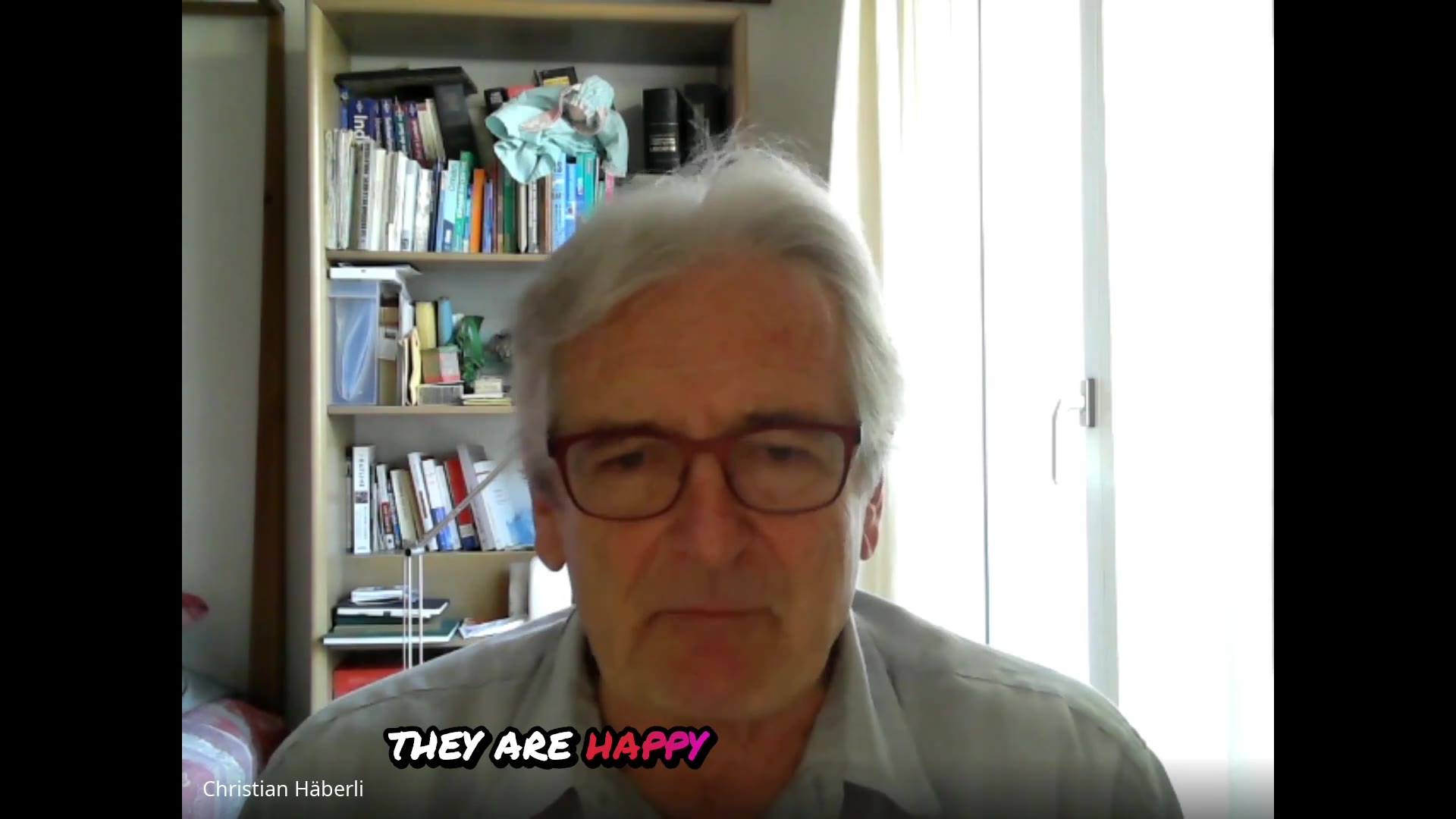
In conversation with Dr Christian Haberli, Senior Fellow at the World Trade Institute, University of Bern. Recorded 22 May 2026 at Theresa's Studio, Bombay.
In late June 2026, three things happened in the same week. The World Bank retired its 45 percent climate finance target. Hyperscalers committed close to 690 billion United States dollars to data centres for the year. NOAA confirmed a Super El Nino forming in the Pacific with an 81 percent probability of peaking as one of the largest ever recorded.
Three signals of one failure. And they are not primarily a failure of will or of finance. They are a failure of law.
I sat down with Dr Christian Haberli, a Swiss trade lawyer who spent forty years inside the World Trade Organization dispute rooms, to understand why the money debate keeps missing something. His thesis, in one line: the multilateral trade regime and the multilateral climate regime are structurally incompatible, and no one wants to say so out loud.
The full brief covers:
- The architecture that makes a cow legally equivalent to a cow no matter its carbon footprint. Why General Agreement on Tariffs and Trade Article III forces every country to treat coal-powered steel and green-hydrogen steel as the same product.
- The World Bank's 29 June 2026 retreat, why it happened, and what the trajectory looks like from a 50.8 billion United States dollar peak.
- The Global North's own bill. Ireland's data centres now consume more electricity than its urban households. Virginia hosts more data centre capacity than any nation on Earth. Munich Re logged 224 billion United States dollars in disaster losses in 2025, most of it on European and North American balance sheets.
- Why the courts are moving as fast as the WTO is not. 3,600 climate cases across 62 jurisdictions since 1986, almost sextupling since the Paris Agreement.
- Haberli's route through: mega-regional trade agreements, the Carbon Border Adjustment Mechanism as a test case, and the eight words that close the conversation.
The full brief includes the 12 minute video conversation, four charts sourced from Dell Oro Group, the World Bank, the International Energy Agency and the Grantham Research Institute at the London School of Economics. It runs to about eight minutes of reading. It is published below.
Read the full brief
Tell me who you are. The brief opens immediately after you submit, and lands in your inbox so you have it later.